

How to Boost Your Home’s Value Quickly and Affordably Before Selling
By Ray Flynn, DIYGuys.Net
Homeowners preparing to sell often hit the same wall: buyers expect a home that feels fresh and cared for, but major renovations can be expensive, disruptive, and hard to justify right before listing. That creates real home selling challenges, especially when pre-sale home presentation feels subjective and time-sensitive. The opportunity is that a cost-effective home value increase usually comes from shifting how the home reads at first glance, clean, bright, cohesive, and move-in ready, rather than tearing walls down. Boosting home appeal affordably can change buyer confidence fast.
Understanding Perception-First Home Selling
At its core, selling fast and well is a perception game: buyers decide what a home is “worth” from what they notice in minutes. Good home staging strips away personal tastes and spotlights the features that feel livable, clean, and easy to maintain.
This matters because you can rarely outspend doubt with last-minute renovations. When the space looks consistent and cared for, buyers worry less about hidden problems and feel safer making a strong offer. In fact, 29% of real estate agents report staging increased the dollar value offered by 1% to 10%.
Think of two identical homes: one is bright, uncluttered, and furniture is sized to the rooms. The other has family photos everywhere and crowded corners, even if the finishes are “nicer.” Most buyers trust the first one more. Quick “what-if” visuals make it easier to choose the few changes that shift that feeling fast.
Test Staging Ideas With AI Mockups Before You Spend
Once you’re focused on how your home feels to a buyer at first glance, it helps to preview changes visually before you commit money and time. AI image-generation tools let you create quick “what-if” mockups of staging and presentation improvements, so you can compare low-cost options for layout, décor, and finishes before touching a paintbrush or buying new pieces. With a text-to-image tool such as the Adobe Firefly AI photo creator, you can generate images from written descriptions (for example, “bright, airy living room with neutral rug and minimal décor”) and then produce multiple variations to see which direction reads best.
The real advantage is iteration: adjust the style, lighting, color, mood, composition, or even add reference images, and then re-generate until you land on a look that makes the room feel more inviting, spacious, or updated. By comparing several AI-generated versions side by side, you can spot which small changes are likely to create the strongest first impression, without guessing your way into expensive renovations. With a clearer visual target in mind, you’ll be ready to choose the specific budget updates that deliver the most impact in each room.
Budget Updates That Make Your Home Look, Feel, and Work Better
Small, budget-friendly home improvements work best when they’re chosen on purpose. Use the AI mockups you created to pick the few changes that make rooms read “move-in ready” in photos and in person, then execute them cleanly.
- Reset the first 10 feet (entry + main sightlines): Clear surfaces, remove extra furniture, and create one simple “welcome” moment, like a console, mirror, and lamp. This is cost-effective home staging because it improves flow instantly and makes the whole home feel larger. In AI mockups, compare a “fully cleared” version to your current layout and choose the minimum you need to remove or store.
- Paint for brightness and continuity (not trends): Repaint high-visibility areas, hallways, main living space, and any scuffed doors, in a consistent, light neutral. Use the same sheen and color family across connected rooms to reduce visual breaks. This affordable interior update photographs better and helps buyers focus on the home, not patchwork walls.
- Upgrade lighting where it counts (bulbs, fixtures, and placement): Replace mismatched bulbs with consistent color temperature (warm-white for living spaces, bright-white for baths/utility), then add a floor lamp to any dark corner. If a fixture screams “dated,” swap it for a simple, modern option and match finishes within each room. Staging visuals often improve dramatically with brighter corners and fewer harsh shadows.
- Refresh kitchens and baths without remodeling (hardware + caulk + grout): Replace cabinet pulls, update a tired faucet if it’s visibly worn, and re-caulk around sinks and tubs. Deep-clean grout lines or re-grout small areas that read “maintenance issue.” These functional home upgrades signal care and reduce the mental “to-do list” buyers create while touring.
- Make storage look intentional (closets, pantry, laundry): Aim for 20–30% empty space in closets and cabinets so they read as generous. Use matching bins for pantry and laundry shelves, and hide loose cords and cleaning bottles. This is one of the cheapest staging wins because it turns everyday clutter into “organized capacity.”
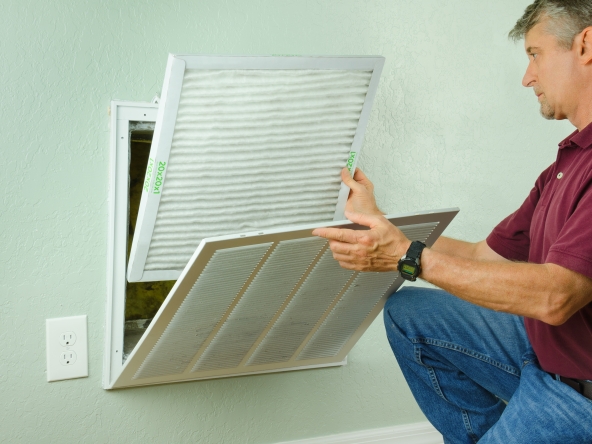
- Repair the small things buyers touch (and notice): Fix sticking doors, squeaky hinges, loose handles, wobbly toilet seats, and dripping faucets. Replace missing switch plates and align crooked vents and registers. These quick functional upgrades help the home “feel solid,” which supports your pricing and reduces negotiating leverage for buyers.
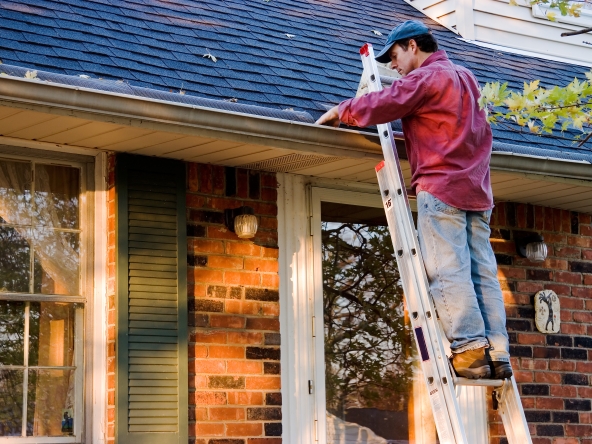
- Boost curb appeal with a 60-minute exterior reset: Pressure-wash the front walk, clean windows, edge the lawn, and add fresh mulch to the first bed buyers see. Paint or clean the front door, update the house numbers, and add a single, healthy planter near the entry. Since home staging affects most buyers’ view, the outside should match the polished story you’re telling inside.
When you’re deciding between a “pretty” update and a practical fix, prioritize the changes that remove objections first, then add the simple staging touches that help buyers linger and imagine living there, especially since minutes walking through a vacant home can be far shorter than in a furnished, staged space. These choices make it easier to decide what deserves your time and money, and what you can confidently leave alone.
Pre-Sale Value Boost FAQs Buyers Really Notice
Q: What should I do first: paint or replace flooring?
A: Start with paint if walls are scuffed, bold, or inconsistent, because it’s fast, affordable, and improves photos immediately. Replace flooring only when it’s obviously worn, stained, or has multiple clashing types in connected spaces. If floors are simply dull, a deep clean or refinish can be the smarter middle option.
Q: How do I know if staging is worth it compared to renovations?
A: Choose staging when the home is generally sound but feels crowded, dark, or “unfinished” in listings. Many sellers prioritize staging because staging their sellers’ homes has been tied to an increase in offers for some homes. Renovate only when a dated or broken feature will show up as a buyer objection.
Q: When is it better to fix small defects instead of doing cosmetic upgrades?
A: Fix anything that signals neglect or triggers “what else is wrong?” like drips, loose handles, sticking doors, or missing plates. These issues tend to compound during showings because buyers touch and test things. Do cosmetics after the home feels solid and maintained.
Q: Should I replace light fixtures, or is changing bulbs enough?
A: Bulbs are the first move: match color temperature and brightness so rooms feel consistent and clean. Swap fixtures only when one looks dated, harsh, or out of place in listing photos. A simple, neutral fixture usually beats a trendy statement piece.
Q: Can I skip decluttering if I’m already planning to move soon?
A: Decluttering is still worth doing early because it makes rooms read larger and storage feel more generous. Many pros push for it since 96% of real estate experts advise sellers to declutter before showings. Pack up half of each closet and clear countertops to create instant “ready to live” space.
Pick Value Boosters and Create a Strong First Showing
When it’s time to sell, the hard part is choosing what actually adds value without overspending or stalling the timeline. The most successful home selling strategies keep the focus on presentation versus renovations, using a targeted, buyer-minded approach that protects budget and momentum. Done well, this home value enhancement recap turns into clearer pricing confidence, fewer avoidable concessions, and a smoother first showing. Prioritize what buyers see and feel first, and skip upgrades that won’t pay you back. Choose three high-impact changes today, schedule them on a short calendar, and list with effective home selling tips in mind. This selling motivation summary matters because a focused plan supports financial stability and a cleaner transition to what’s next.