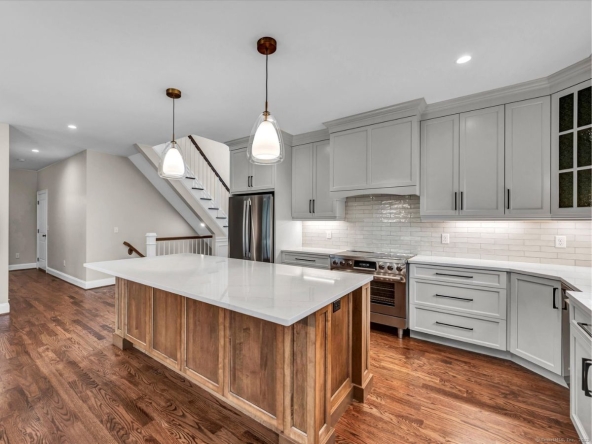


You’re Officially a Homeowner: Here’s What to Do Next
By Ray Flynn, DIYGuys.net
You’ve signed, paid, and finally have the keys. The first few days after closing on your first home are exciting, but they’re also pivotal. What you do now can protect your investment, prevent costly issues, and set you up for long-term stability.
Quick Takeaways
- Change locks and reprogram access codes.
- Back up and safely store loan documents.
- Transfer utilities and activate autopay.
- Review insurance coverage to match your home’s details.
- Start a maintenance log and build an emergency fund.
Secure the Home Immediately
Begin with safety and control. Change every exterior lock: doors, garages, and sheds, and reset smart locks or keypad codes. Once that’s done, test all smoke and carbon monoxide detectors, outdoor lighting, and window locks. Then find your home’s main circuit breaker and water shutoff valve; label them for easy access. These quick checks create peace of mind and prevent headaches later.
Protect and Understand Your Loan Documents
Your closing packet contains the legal and financial backbone of your homeownership. Review your mortgage agreement carefully; it outlines your interest rate, payment allocation, and the date your final payment is due.
To see what a well-structured loan agreement includes, take a look at this practical guide. It’s also smart to create two versions of your paperwork: physical copies in a fireproof safe and digital backups in encrypted cloud storage. These documents will be essential if you refinance, sell, or need to verify details years from now.
Update Your Systems and Finances
Once utilities and bills are in your name, set up autopay for your mortgage, property taxes, and core utilities. Late fees on these essentials can damage your credit and complicate your budgeting.
Also, schedule reminders for recurring costs like trash service, HOA dues, or quarterly pest control. Establishing financial routines early prevents missed payments and frees up mental space to focus on enjoying your new home.
Review Your Insurance Now That You’ve Moved In
Your homeowner’s insurance was active before closing, but now that you’ve moved in, it’s time to ensure the details match reality. Confirm that your policy accurately lists your home’s size, structures, and recent upgrades.
Update your personal property coverage to include new belongings and ask your provider about savings from any safety upgrades, such as smart locks or alarm systems.
Establish a Home Record and Maintenance Routine
Think of your home as a living system that needs tracking. Creating a baseline record now helps you spot changes early and maintain its value. Here’s a checklist to get started:
- Take time-stamped photos of each room before arranging furniture.
- Note water, gas, and electric meter readings.
- Save appliance manuals and warranty information.
- Keep contact details for your realtor, contractors, and service providers.
- Track maintenance and receipts in a binder or cloud folder.
This record is invaluable for insurance claims, resale, or long-term repairs.
Anticipate Your First-Month Costs
Budgeting for your first month prevents surprises. Here’s a quick reference:
| Expense Category | Typical Range | Why It Matters |
| Lock & Security Updates | $100–$250 | Ensures full control of access |
| Utility Transfers & Deposits | $150–$400 | Keeps essential services active |
| Starter Maintenance Fund | 1–3% of home value | Covers early repairs or upkeep |
| Insurance Adjustments | $50–$150/month | Aligns policy with real coverage needs |
| Tools & Essentials | $200–$400 | Basic supplies for cleaning and fixes |
A small reserve now saves stress later, especially for first-time owners still adjusting to new expenses.
Hold Off on Big Renovations
It’s tempting to start remodeling right away, but patience pays. Live in your space for a few months before committing to major changes. You’ll learn how light, airflow, and daily routines really work.
Instead, focus on smaller wins: repainting, swapping outdated fixtures, or upgrading lighting. These simple updates personalize your home without stretching your budget.
FAQ
When is my first mortgage payment due, and how should I prepare for it?
Your first payment is typically due one full month after closing, so if you closed in June, expect to pay August 1. Set up autopay with your lender’s portal to eliminate manual errors. Treat that first payment as your new financial baseline, adjusting your budget around it.
Should I transfer utilities before moving in or after?
Transfer all utilities immediately after closing, even if you won’t move in for several days. This ensures climate control, protects your systems, and prevents fees or damage from service interruptions. Most providers allow quick online transfers—handle it the same day you close.
How can I make sure my loan documents stay accessible and secure?
Store physical copies in a fireproof safe and create encrypted digital backups for easy retrieval. Use clear file names for tax, refinance, or insurance needs later. Organized records protect you during disputes and make financial tasks far less stressful.
Is a home warranty worth purchasing after closing?
Yes, especially for older homes or first-time owners who lack repair experience. A warranty can cover costly breakdowns of appliances or systems not included in insurance. Review the coverage closely and set reminders for renewal before it expires.
How do I keep maintenance from becoming overwhelming?
Create a simple seasonal schedule rather than trying to do everything at once. Group tasks like gutter cleaning, filter changes, and lawn care into quarterly checklists. Regular upkeep not only prevents emergencies but also preserves your home’s long-term value.
Should I revisit my insurance coverage now that I’ve moved in?
Absolutely. Policies bound before closing often use estimates. Verify the coverage amounts, update your personal property inventory, and notify your insurer about any security upgrades. This quick review ensures you’re fully protected and may even lower your premiums.
Wrapping It All Up
Owning a home is both a financial investment and a personal milestone. The days after closing aren’t just about unpacking, they’re about establishing control, organization, and confidence. Secure your home, streamline your systems, and keep detailed records. With these steps, you’ll transition from buyer to confident homeowner faster than you think.