
Winter Home Repairs to Make If You Plan to Sell Next Year
If you intend to sell your home this spring, taking action over the winter can help you get ready. Hiring an inspector to come in during the winter can give you time to make any repairs that might stand in the way of a quick and efficient home sale this spring. Below are the winter home repairs to make if you plan to sell next year.
Check the HVAC
An inspection can test how efficiently the system is running, look for signs of wear and tear, and assess overall cleanliness. Additionally, the inspector should assess the airflow, humidifier and thermostat. If your home doesn’t feel consistently warm during the winter, there may be an issue you can repair before you list.
Inspect the roof and gutters
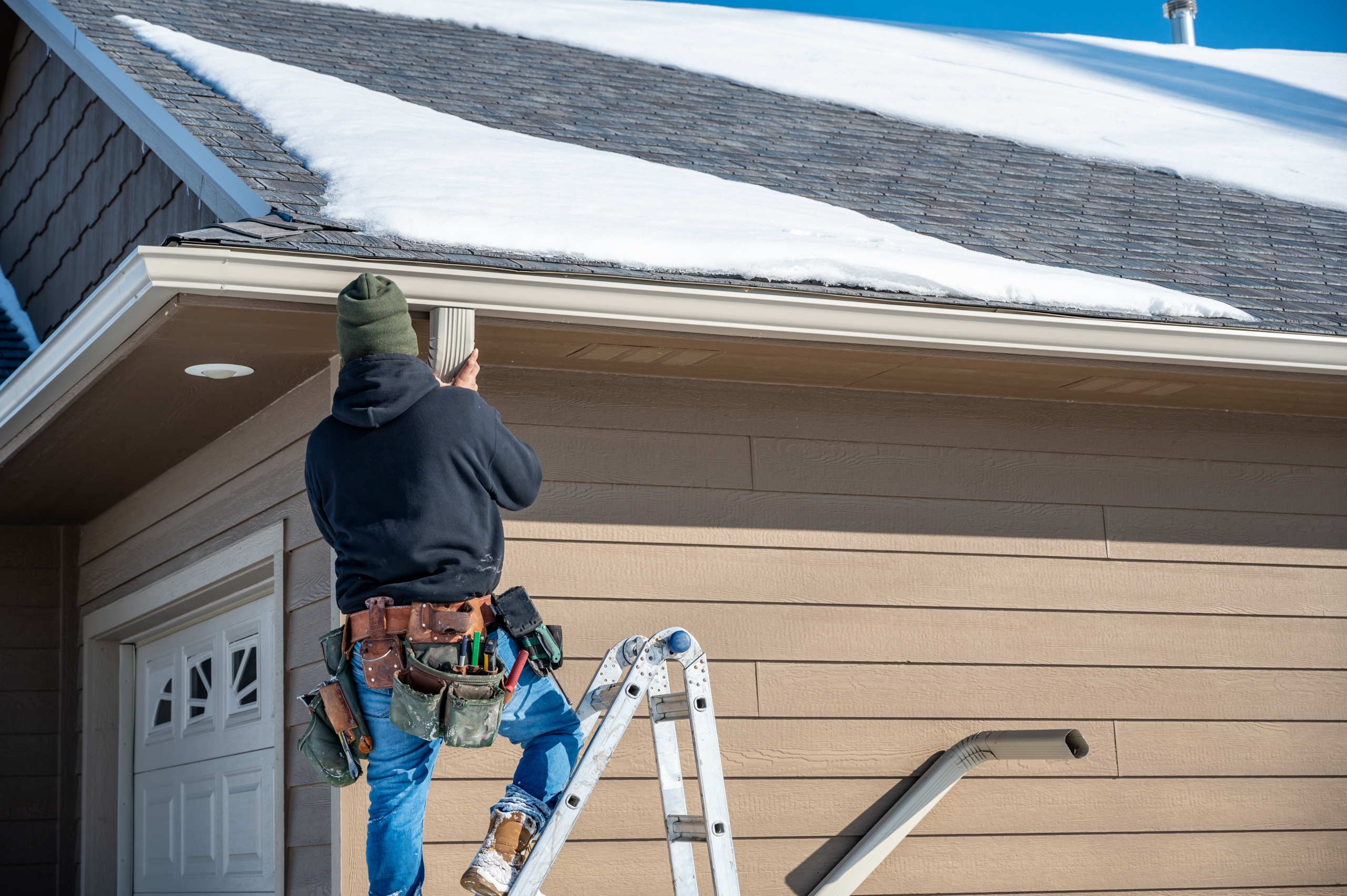
Winter can be particularly hard on the roof of a house. The harsh conditions can damage the shingles, cause shingles to fall off and create drainage issues. An inspector can be the source of any damage, so you can take steps to mitigate it so it doesn’t get worse. Blocked gutters can also prevent the water from correctly draining. Inspecting the gutters during the winter can help an inspector identify if the house is at risk for ice dams, which can cause damage to the home’s exterior structure. An accumulation of water and ice damage can impact a home’s foundation. Ensuring the roof and gutters are correctly draining can help minimize any associated damage.
Evaluate the plumbing
Frozen pipes can cause extensive damage. To prevent frozen pipes this winter, turn off exterior fixtures and insulate any exposed exterior pipes. A plumber can inspect the pipes for leaks or corrosion. Leaving these issues untreated can result in mold or water damage. If any issues are uncovered, you’ll have time to repair them instead of waiting until the spring, which can delay the sale.
Search for sources of escaped heat
Identifying areas where heat is escaping in the house will allow you to stop air leaks. If the windows or doors let cold air into the house, sealing them with caulk or weather stripping is the first step. If this doesn’t stop the air from coming through, you may need to replace the windows or doors. Air can also enter the home through the ductwork, vents, outlets, or any cracks in the floor or walls.
Test for radon
Older homes often have high radon levels that need to be mitigated. During a home inspection, the house will be tested for radon. A radon mitigation system must be installed if the radon level is too high. Testing your house for radon before the home inspection means you can have this system installed if the radon levels are too high, and it’s one less task you’ll have to complete during the closing process.